


Roofing Contractor in South Florida
Choosing the right roofing contractor in South Florida means looking beyond the lowest estimate. Your roof has to perform through intense sun, heavy rain, high humidity and severe weather while protecting one of your largest investments: your home.
Why Roofing in South Florida Is Different
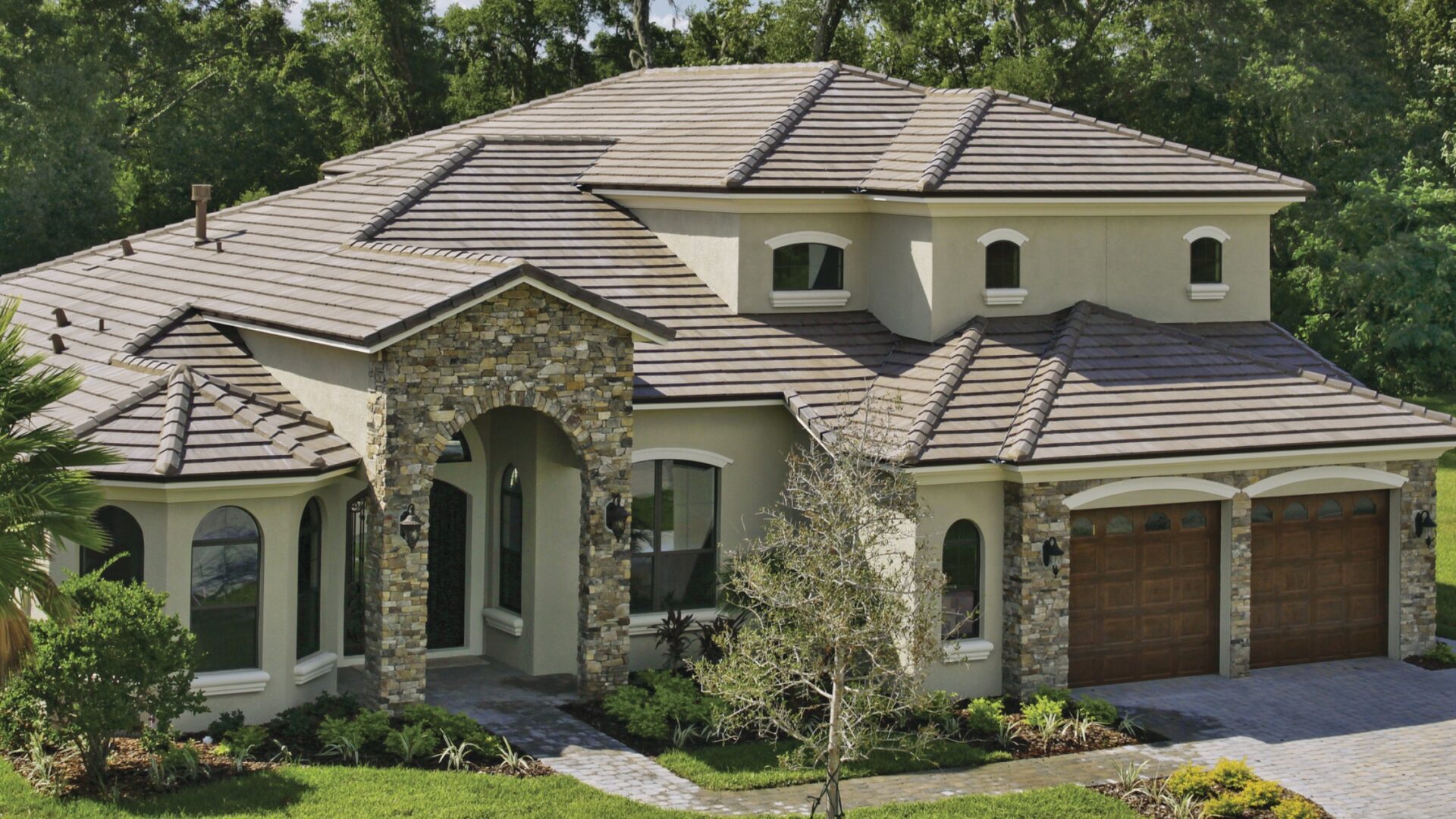
A roof in South Florida lives in a demanding environment. Heat and ultraviolet exposure can age roofing materials, while repeated rain puts flashing, penetrations and drainage details to the test. Coastal properties can also face wind and salt-air exposure.
That is why selecting a contractor should involve more than asking, “How much will my roof cost?” A better conversation includes the condition of the roof deck, ventilation, drainage, flashing, underlayment, attachment methods, manufacturer requirements and the permitting requirements applicable to the property.
South Florida homeowners should also confirm that whoever performs regulated roofing work has the appropriate credentials. Florida’s Department of Business and Professional Regulation license search gives consumers a way to verify contractor licensing information.
Choosing the Right Roof for a South Florida Home
There is no single roofing material that is automatically best for every house. Architecture, roof slope, existing structure, community restrictions, budget and long-term plans all matter.
| Roof Type | Why Homeowners Consider It | Important Considerations |
|---|---|---|
| Asphalt Shingles | Versatile appearance and generally accessible upfront pricing. | Product rating, installation quality, ventilation and weather exposure all matter. |
| Metal Roofing | Modern appearance, durability and growing popularity throughout Florida. | Proper fastening, flashing, compatible materials and installation details are critical. |
| Tile Roofing | Classic South Florida appearance that works particularly well with Mediterranean-style homes. | Tile weight, roof structure, underlayment and repair accessibility should be evaluated. |
| Flat / Low-Slope Systems | Common on modern homes, additions and certain South Florida properties. | Drainage, waterproofing details and penetrations require careful installation. |
Signs Your Roof Needs Professional Attention
Roof problems do not always begin with water dripping from the ceiling. Early evaluation may help identify smaller problems before interior damage becomes more extensive.
- Missing, cracked, lifted or visibly damaged roofing material
- Water staining on ceilings or around exterior walls
- Damaged flashing around vents, skylights or roof transitions
- Repeated leaks after heavy South Florida rain
- Soft or deteriorated areas discovered during an inspection
- Loose tiles or shingles following a major storm
- Visible deterioration around roof edges and penetrations
If you are already planning broader renovations, coordinating roof-related work with a full home remodeling project can also help avoid repairing freshly completed interior finishes later.
How to Choose a Roofing Contractor in South Florida
Verify Credentials
Confirm the contractor or qualifying professional has the licensing required for the roofing work being proposed. Ask for current insurance information as well.
Demand a Detailed Scope
A serious proposal should identify the roofing system, major materials, removal or preparation work, flashing details, cleanup responsibilities and exclusions.
Ask About Permits
Determine who is responsible for permits and inspections before work begins. Requirements can vary according to the property and local jurisdiction.
What a Professional Roofing Project Should Look Like
Evaluate
Inspect the existing system and identify visible damage, problem areas and project limitations.
Plan
Define the roofing system, materials, scope, permit responsibilities and expected project sequence.
Install
Complete removal, preparation and installation according to the approved project scope and applicable requirements.
Inspect
Complete required inspections, final cleanup and a homeowner walkthrough before closing the project.
Local Knowledge Matters in South Florida
A contractor working in South Florida should understand the realities of building and renovating homes in Miami-Dade, Broward and Palm Beach counties. All In Remodeling already serves homeowners throughout these South Florida communities with home improvement and remodeling services.
View the company’s South Florida service areas or explore All In Remodeling services when planning a larger renovation.
Roof work may also interact with exterior finishes, ceilings, insulation, electrical components and interior remodeling. Looking at the entire home — rather than treating every component as an isolated project — can produce a better long-term renovation plan.
Roofing Contractor in South Florida: Frequently Asked Questions
How do I find a reputable roofing contractor in South Florida?
Verify appropriate licensing, insurance and local experience. Compare detailed scopes rather than comparing price alone, and understand who will handle permits, materials, inspections and cleanup.
What type of roof is best for South Florida?
Asphalt shingles, metal, tile and low-slope systems can all be appropriate depending on the property. Roof design, structural conditions, budget, aesthetics and local requirements should guide the final selection.
Do I need a permit to replace my roof in South Florida?
Roofing work frequently involves permitting and inspections, but the exact requirements depend on the project and jurisdiction. Confirm requirements with the applicable building department before construction begins.
Should I repair my roof or replace it?
A localized problem may sometimes be repairable. Widespread deterioration, repeated leaks or problems involving multiple areas may justify considering replacement. An on-site evaluation is the best way to determine the appropriate scope.
Should I choose the lowest roofing estimate?
Not automatically. Compare materials, preparation work, flashing, permit responsibility, warranties, exclusions and cleanup. Two proposals with very different scopes are not truly competing estimates.


